Author: Simon

  • Platz machen!

    Platz machen!

    Platz machen! is a toolkit designed to reimagine urban or public spaces. Aimed at encouraging community engagement and creative exploration, this toolkit provides a structured yet flexible framework for exploring and transforming underused spaces. Central to the toolkit’s approach is a hands-on, collaborative method where participants use bamboo sticks and rubber bands to construct three-dimensional models of their ideas.

    The workshop is organized into a series of creative sessions where groups work on specific questions related to space transformation. Each session begins with brainstorming and planning, followed by a building phase where ideas are materialised using the tools provided. The iterative process allows participants to reflect on previous ideas and develop new ones, ensuring a dynamic and evolving exploration of the space.

    Platz machen! not only encourages participants to think critically about urban spaces but also promotes inclusivity by facilitating diverse group interactions. By the end of the workshop, participants will have collaboratively created a range of spatial interventions and a collective manifesto that captures their vision for the future of the space.

    The project was developed together with Mirjam Bauer.

  • Da grigio a verde

    Da grigio a verde

    Bolzano is experiencing increasingly hot summers. Climate change means that heatwaves are becoming more frequent and intense. The project ‘Regreening Bolzano’ plans to transform the two asphalt areas at the Premstallerhof into a ‘green oasis’ with more trees and greenery, thereby improving urban biodiversity, social interaction, and the general quality of life in the city.

    ‘Da grigio a verde – Von Grau zu Grün’ focuses on the social aspects of the redesign, recognising the importance of involving residents, Premstallerhof associations, and park users. The project’s work includes analysing and understanding how people use the space, identifying needs and constraints, and creating tools that support people in collaboratively developing visions for the space to make Bolzano greener and more liveable together.

    Together with the help of the project’s partner, a small initiative of three inhabitants, a number of citizens, stakeholders, initiatives, politicians and other individuals was activated. The communication between the different parties and actors was a main component of the initiative’s further development while the solely engagement of the singular citizens and families was the focus of the student’s project.

    One focus was the creation of a tool that enables the initiative and the inhabitants around the Premstallerhof to envision the space together and bring their ideas and wishes to the table. In an intense workshop with the title ‘Immaginiamo Insieme’, individuals and the initiative took part in a collective discourse about the possible future and potential for addressing climate change factors in an urban area. The workshop was part of a bigger event that had the goal of creating a first connection between the initiative and the neighbourhood, in which also other workshops were organised to envision and interact with the space and see its potential.

  • Tutto un passo

    Tutto un passo

    Focusing on the largest publicly accessible and usable open area within the Don Bosco neighbourhood in Bolzano, the project concerns life in public space, its perception and inspiration for the use of a community.

    “Tutto un passo – Alle einen Schritt” invites the neighbourhood community to rediscover space through dance and movement; it explores how the common can be experienced in alternative ways and how perspective on a place can be challenged. The fundamental objective is to transform squares into lively scenarios, making them stages of connections and creativity. Through the design of several activities, the Piazza Don Bosco becomes the central place of an artistic exploration, inviting the community to reclaim the often-underestimated resource of public space.

    Dance can break social barriers and gather individuals of a diversity of age groups, ethnicities, and cultures. The interventions we did gave us just a glimpse of what the topic of movement and dance could achieve, when implemented into a certain context. We noticed people from all diverse backgrounds and age groups dance and interact together, creating a collective occasion that broke out of the everyday usual habits. Our aim was to enable situations like this and to research on the interactions we fostered.

    While our research relied on past projects and theory, we allowed ourselves room for experimentation as well. For us this seemed the right method of working in an unfamiliar context and with an unfamiliar topic. The topic of dance, and individual expression especially, relies heavily on experience. Starting out in orienting us on past works we soon started to set foot in the Don Bosco neighbourhood. Spending time in the area with the project but also with the course helped us in gaining an understanding of the dynamics, the actors around and the community. After the midterm presentation we focused mainly on active project work in Don Bosco and developing the different interventions. The result was a constant progression and building upon our new learnings and experiences.

    The project was developed together with Carlotta Gambino and Chiara Belpassi in winter of 2023/24.

  • Über den Tellerrand

    Über den Tellerrand

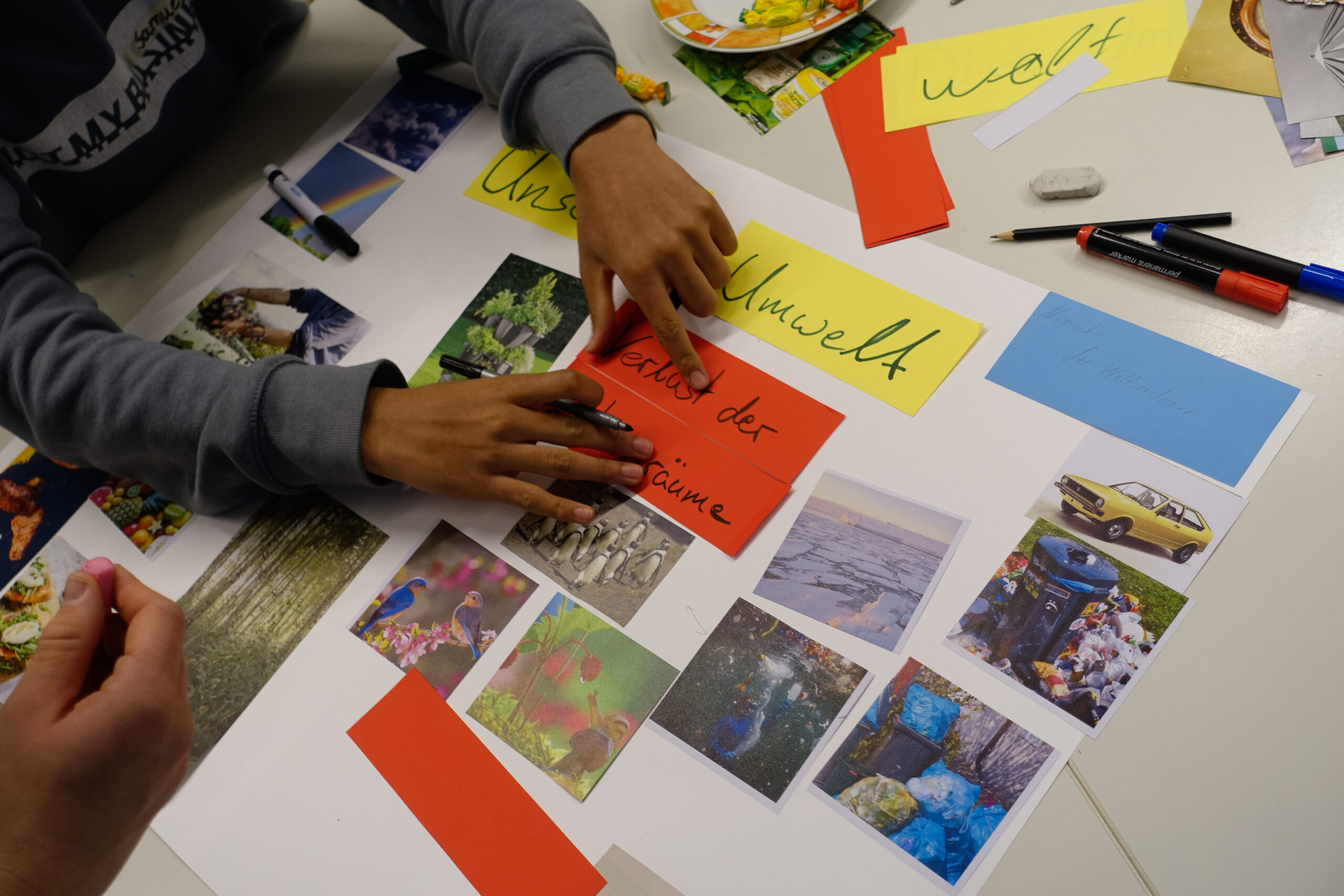
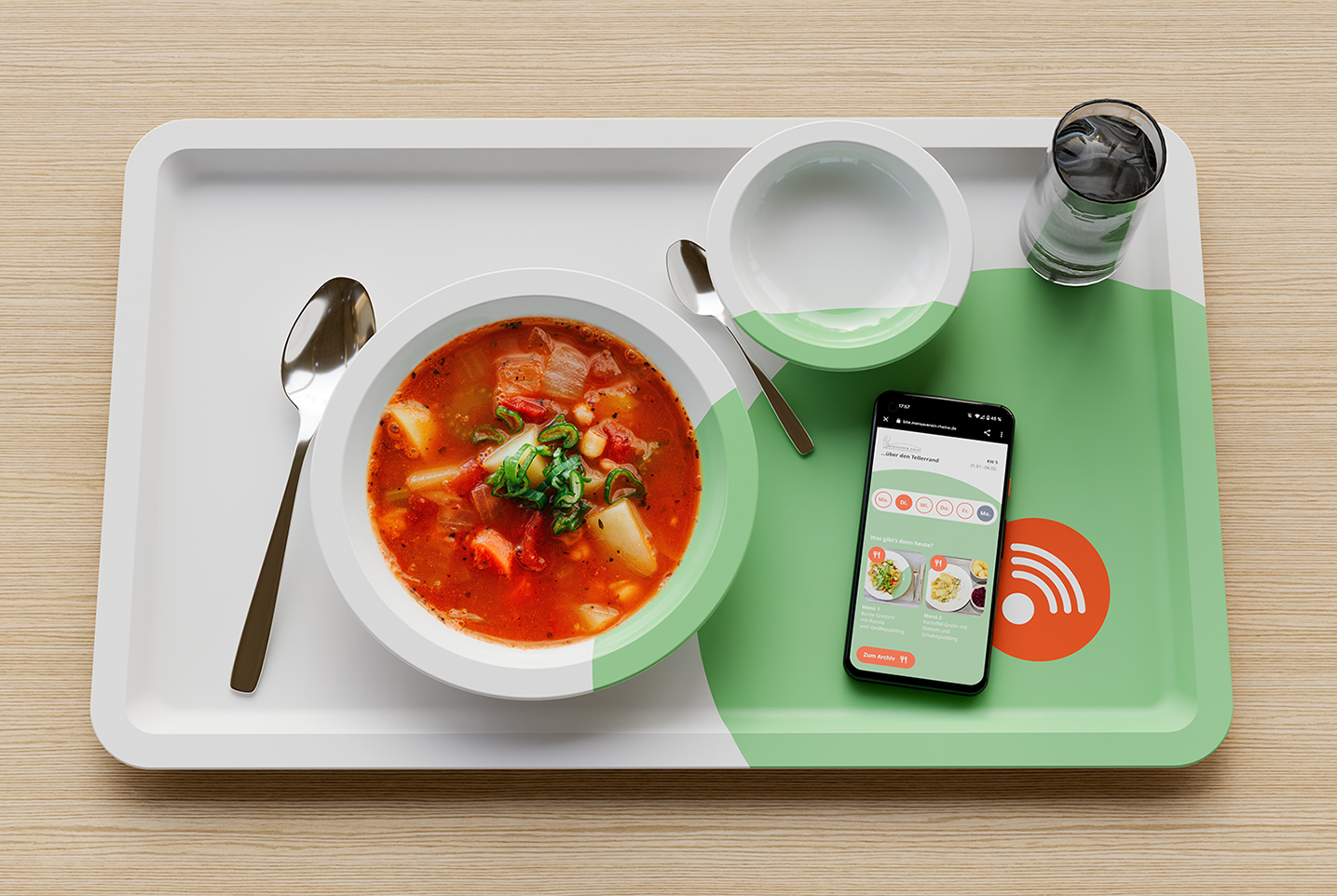
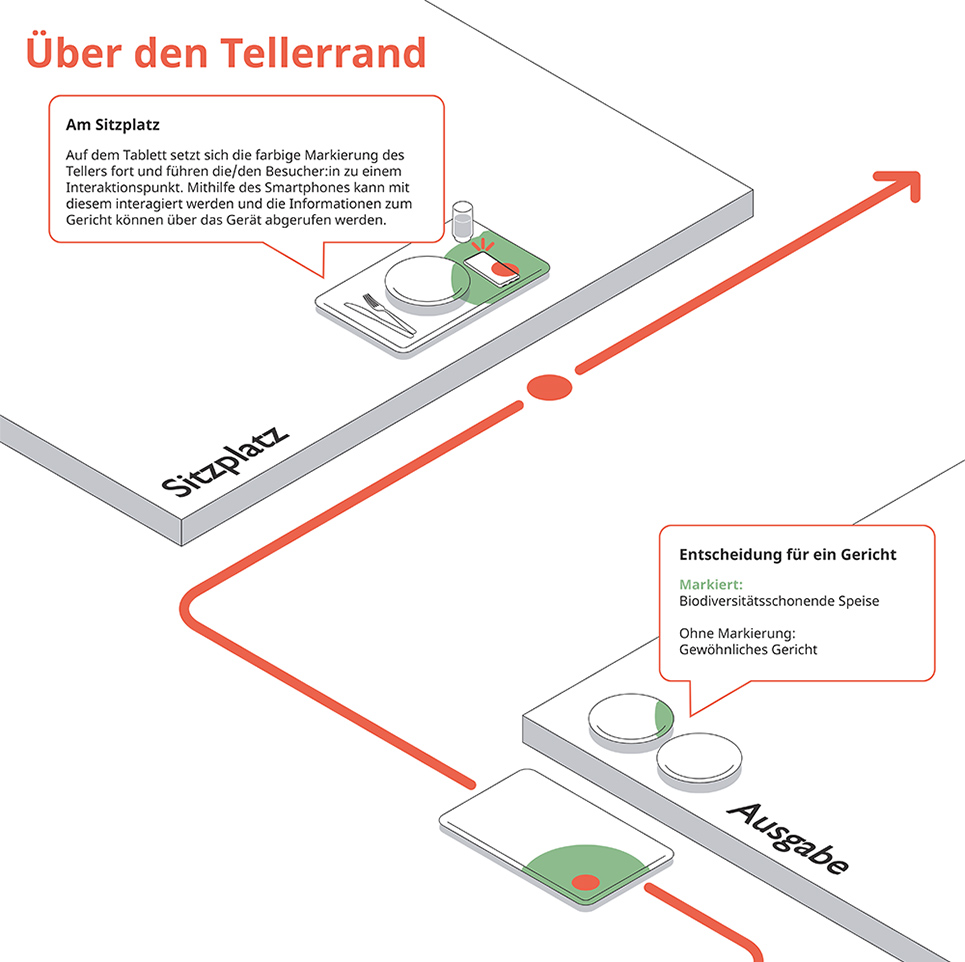
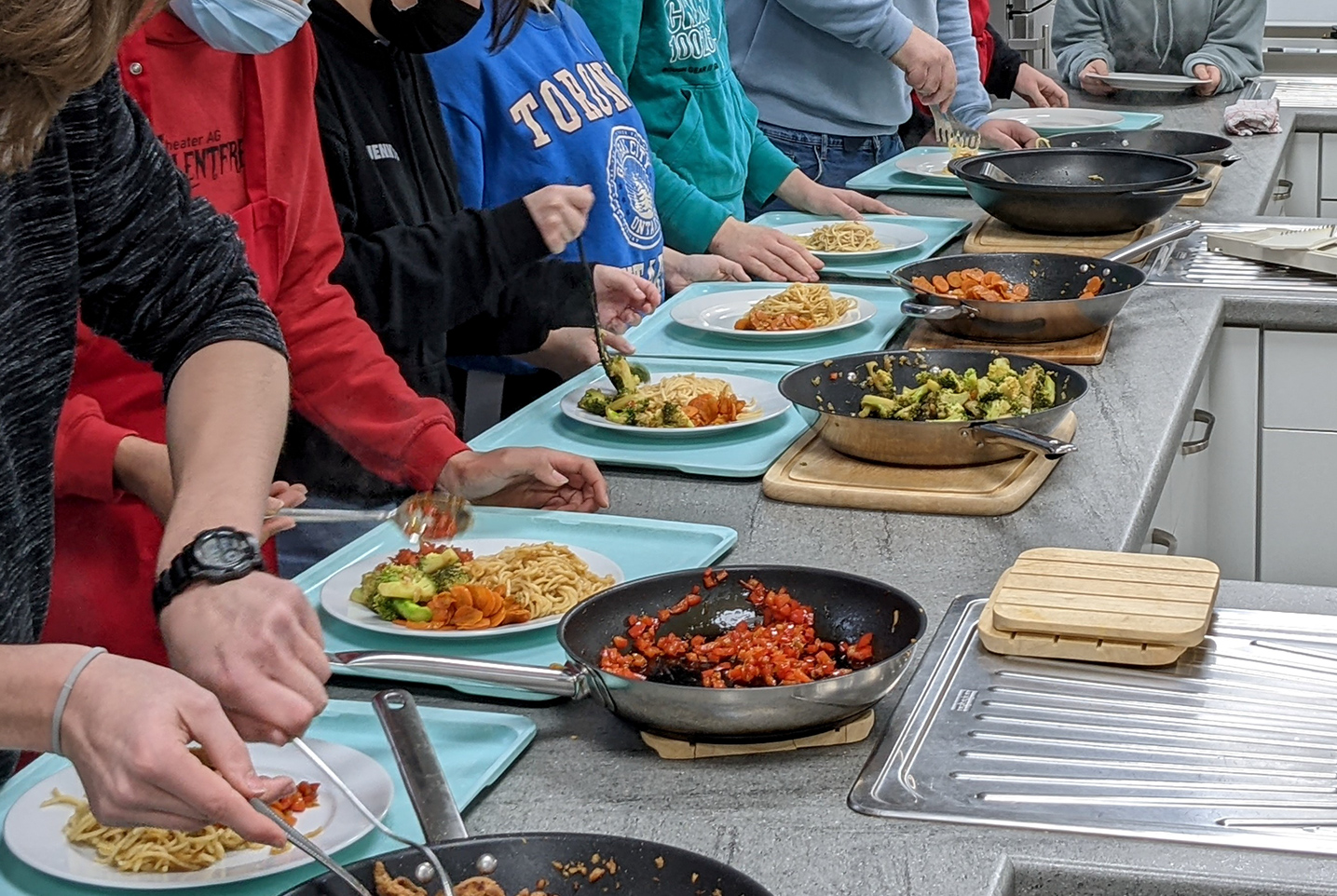
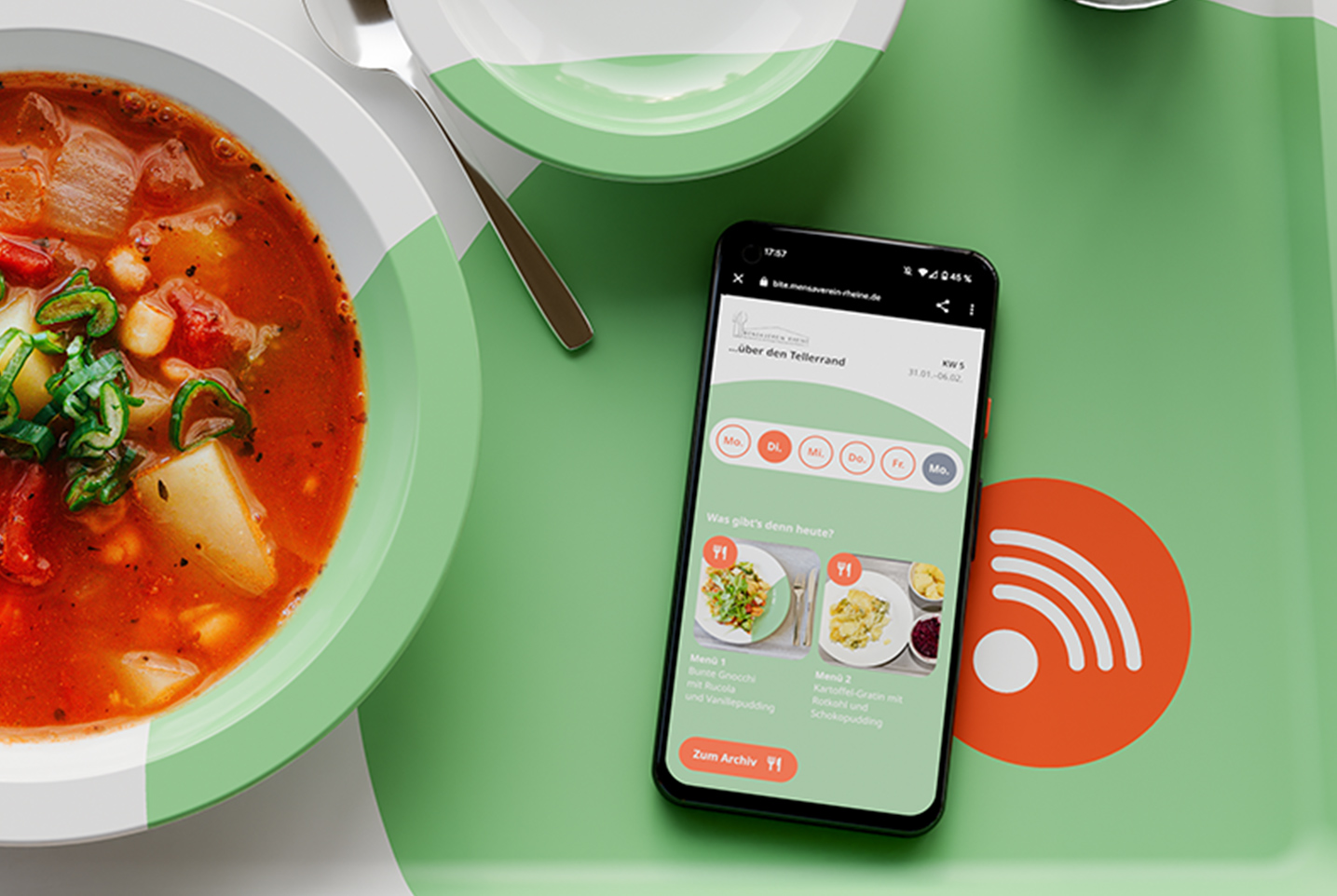
    We are damaging our environment. Our impact on biodiversity is particularly damaging, but the extent of this is non-transparent and difficult to measure. Changing our diet is one way to reduce our personal impact. A school canteen can be a place of experience for this future diet. The project “Über den Tellerrand” (Beyond the plate) aims to provide orientation for students and to contribute to the development of a biodiversity-friendly conscience by offering guided access to information related to the meal. The bachelor thesis was developed in cooperation with the research project “BiTe” (“Biodiversität über den Tellerrand”).

    Project on the thesis portfolio page of Münster School of Design.

  • grüner fleck

    grüner fleck

    Access to nature and green spaces is very limited, especially in urban areas. Many therefore dedicate themselves to an allotment garden in order to relax in the green but also to pursue their own personal projects. Allotment gardens are often closed communities in which knowledge about nature and harvesting grows – yet many garden owners are interested in sharing their knowledge and opening up to the outside world.

    The digital space “grüner fleck” wants to use the potential of allotment gardens as places of recreation in the green to encourage a sense of community and exchange. Owners of allotment gardens should be inspired by this platform to make their own gardens accessible to others. Therefore they have the opportunity to gain gardening support or to offer events such as lectures and workshops or even concerts. Visitors can use this access to discover something new and inspiring while experiencing local green spaces.

    The project was developed in an intensive co-design process with Daniel, an allotment garden owner. During the first meeting it became clear how much Daniel appreciates sharing knowledge and socialising with others. At the same time it became clear how much he values the peace and relaxation he can experience in his garden.

    In the course of the project it became apparent that Daniel needs both: On the one hand the private domain and on the other hand the public sphere and the interaction with other allotment gardeners or visitors.

    Daniel’s ideas and needs became the platform “grüner fleck”, which was built according to his needs. The core of the concept was the knowledge we gathered with our co-designer and his family. We were able to present the result to the other allotment gardeners. We realised that Daniel was not alone with his needs and that other allotment gardeners were also looking for exchange and wanted to benefit from the community.

    Developed in summer of 2021 together with Laïsa Cordes.

  • aiuto

    aiuto

    For some people grocery shopping is very stressful, time-consuming and simply not easy. aiuto (Italian for “help”) aims to minimise these stressors by making the daily shopping more accessible. The flexible carrying handle allows the bag to be carried in a variety of ways. Once laid out in the checkout area, goods can be placed on the coloured surfaces. Heavy rigid items can be placed in the middle of the bag. Light, delicate ones in the two inner pockets. With an intuitive pull on the coloured handle, the bag pulls itself together and encloses the goods. The handle and the bag have a cushion that protects the body and ensures a comfortable journey home.

    Project designed together with Tobias Schröer in 2020.