Category: inactive

  • Crowded kitchens – Master thesis

    Crowded kitchens – Master thesis

    Crowded kitchens – Exploring food access and collective practices

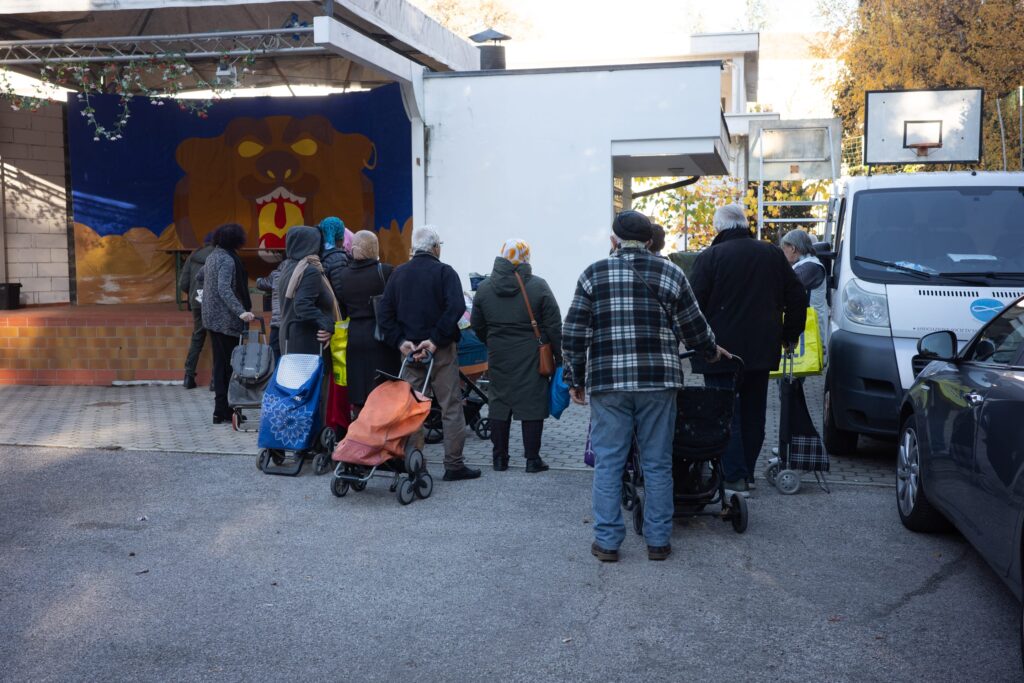
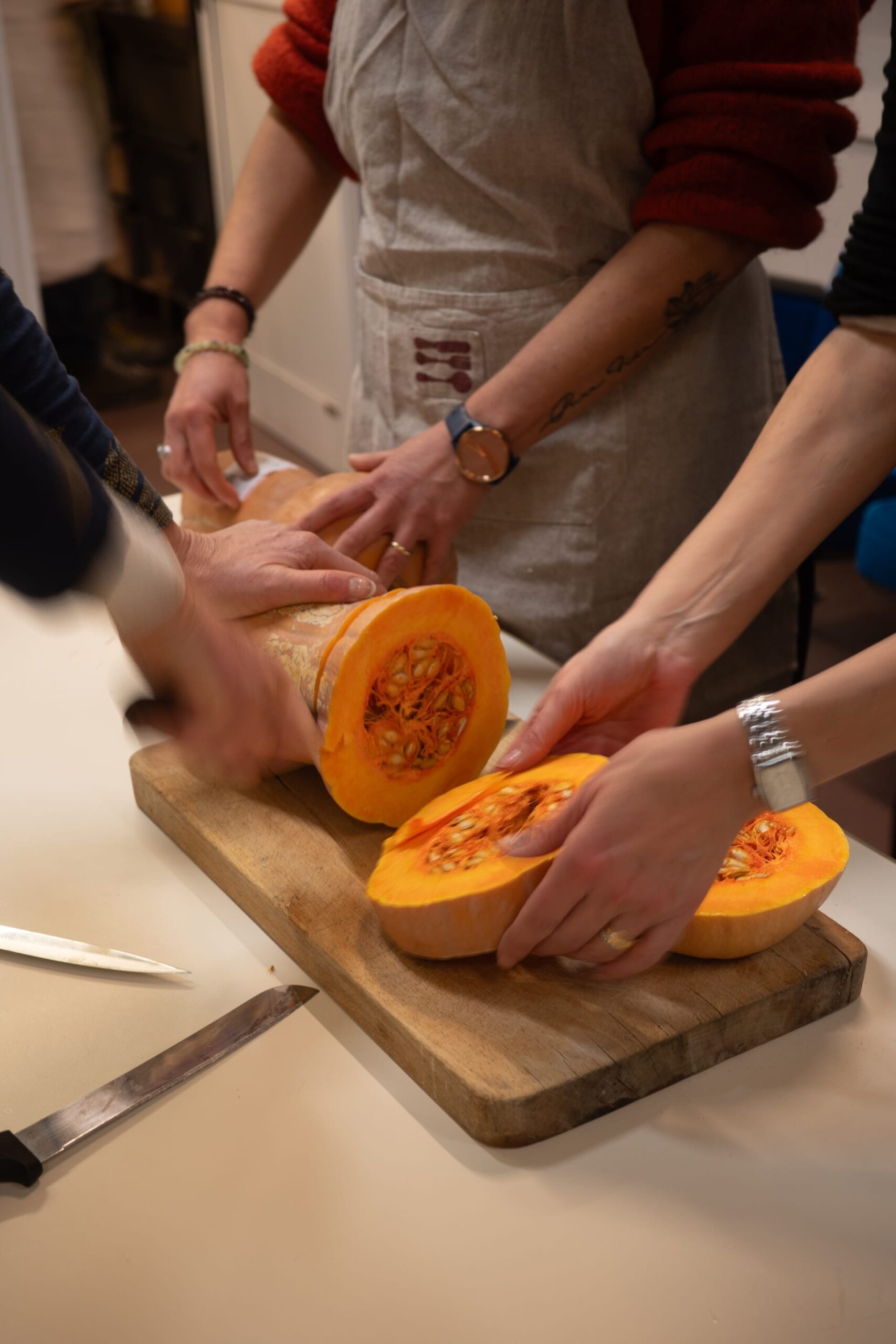
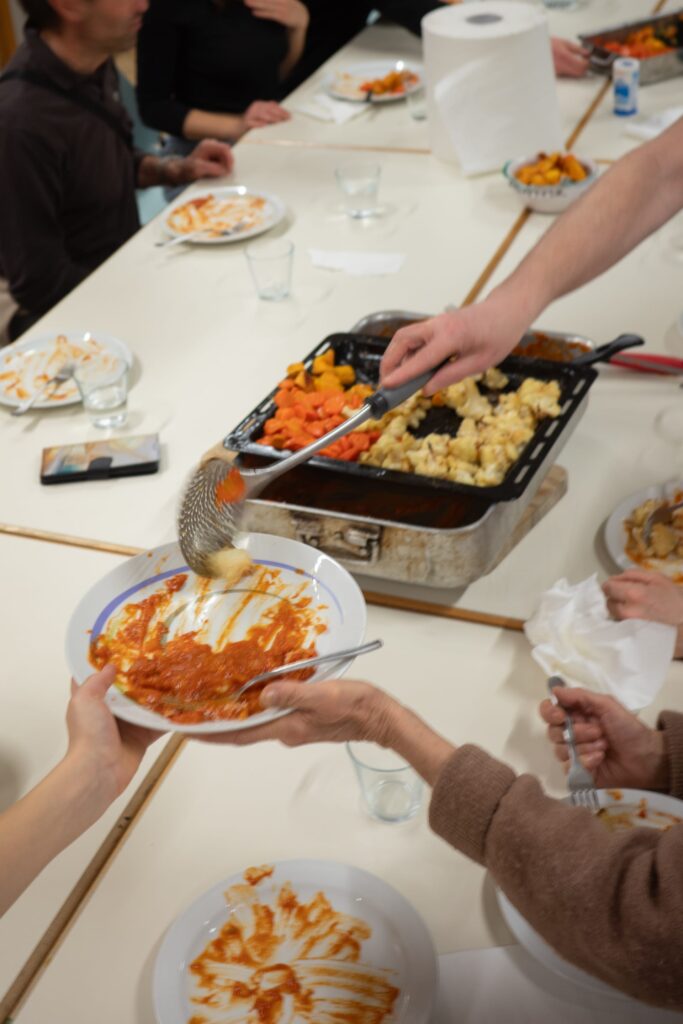
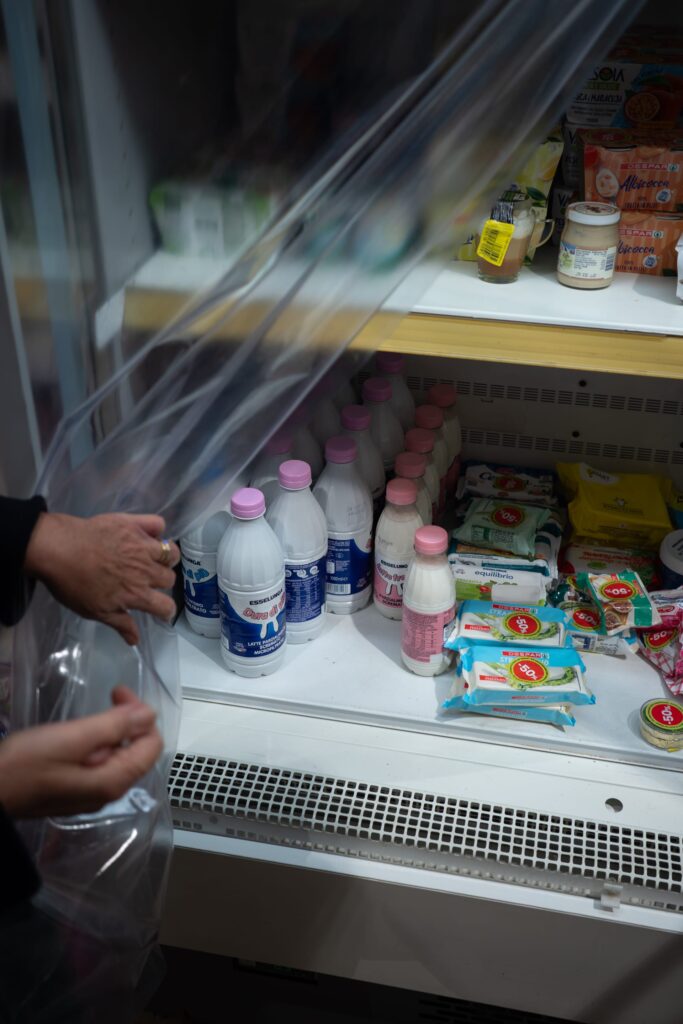
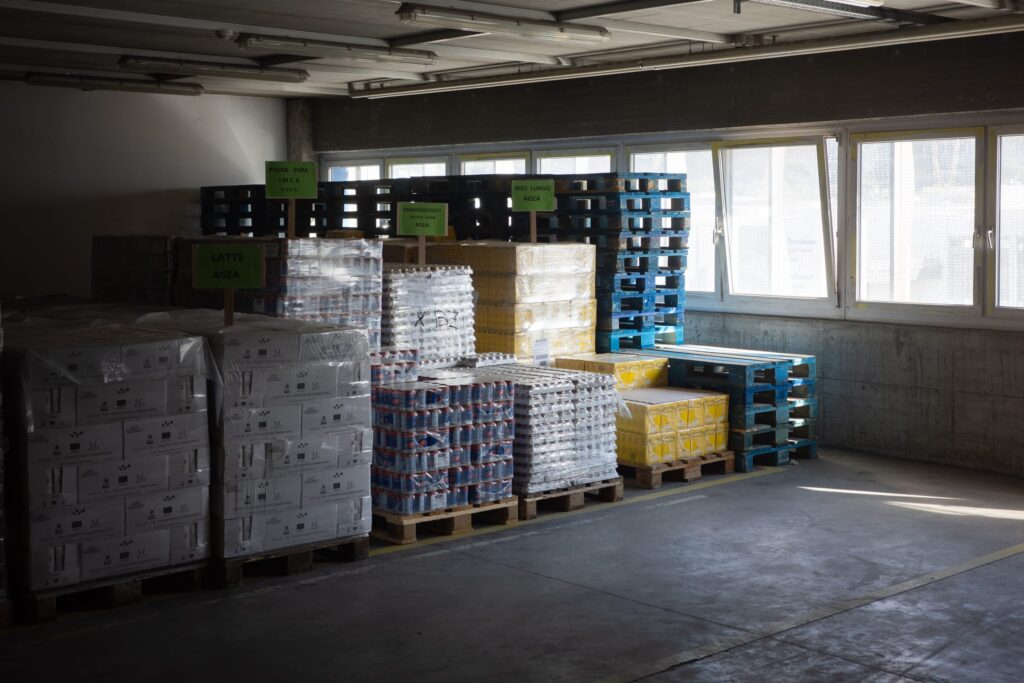
    In our society, food is a commodity that can only be accessed through financial means. This creates a system in which many people are excluded and unable to access adequate amounts and varieties of food to ensure food security. Within this context, this thesis explores how the capitalist and neoliberal systems govern access to food, and how this translates into food insecurity and its multidimensional effects. The thesis aim is to understand how to collectively imagine and prototype food practices that can challenge these systemic inequalities and encourage collaborative action. Drawing on interdisciplinary literature, case studies analysis and design ethnography, the research seeks to understand how the system functions and which practices and elements could be employed to counter it. The goal is to create an experimental design project that can bring people together through collective food practices, collectivising needs and resources. The ultimate aim is to shift the focus from the individual consumption of commodified food towards the collaborative practices around food. Through a series of events in various contexts and within different groups, the project prototypes a system that uses collective practices in different situations through mutual aid and care.
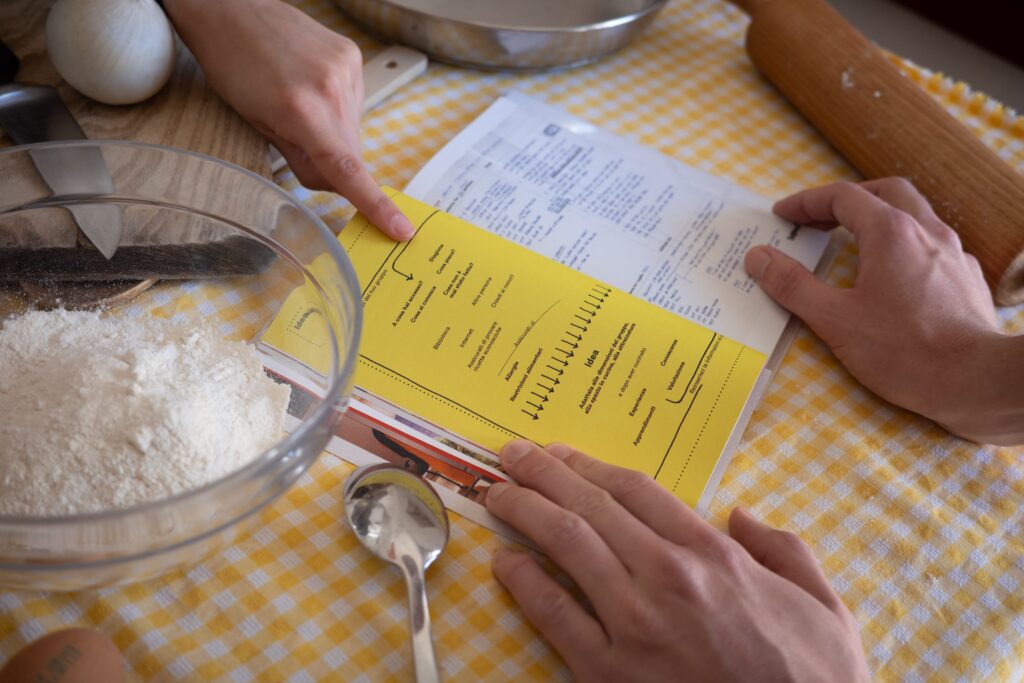
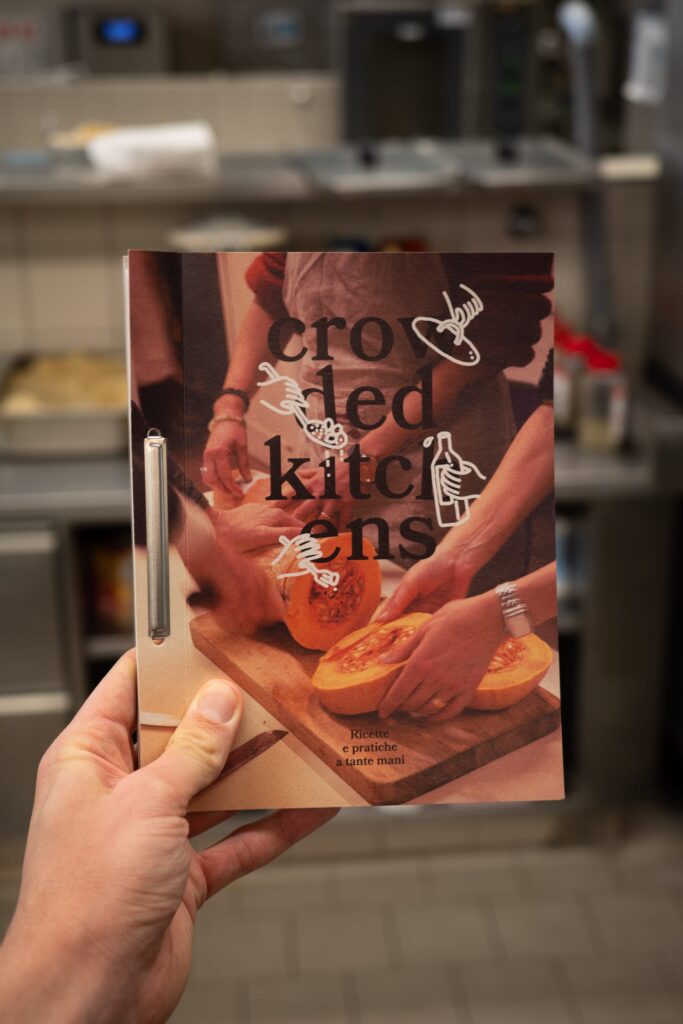
    Research, exploration, and experimentation is collected and reproduced through the thesis main output: a cookbook for many hands. As collaborative cooking is mainly carried by human connection, the experience of the cooking experiments is relived through narrated recipes. The food stands in dialogue with statements drawing from the thesis research on food security, food access, and collective provision through careful relation. Photographs, sketches, notes, and alterations illustrate the chaotic choreography of collective cooking. The cookbook also comprehends guidance gathering knowledge and starting points for a system of collaborative food practices to emerge from society, proposing the act of collectivised and mutual aid for everyone.
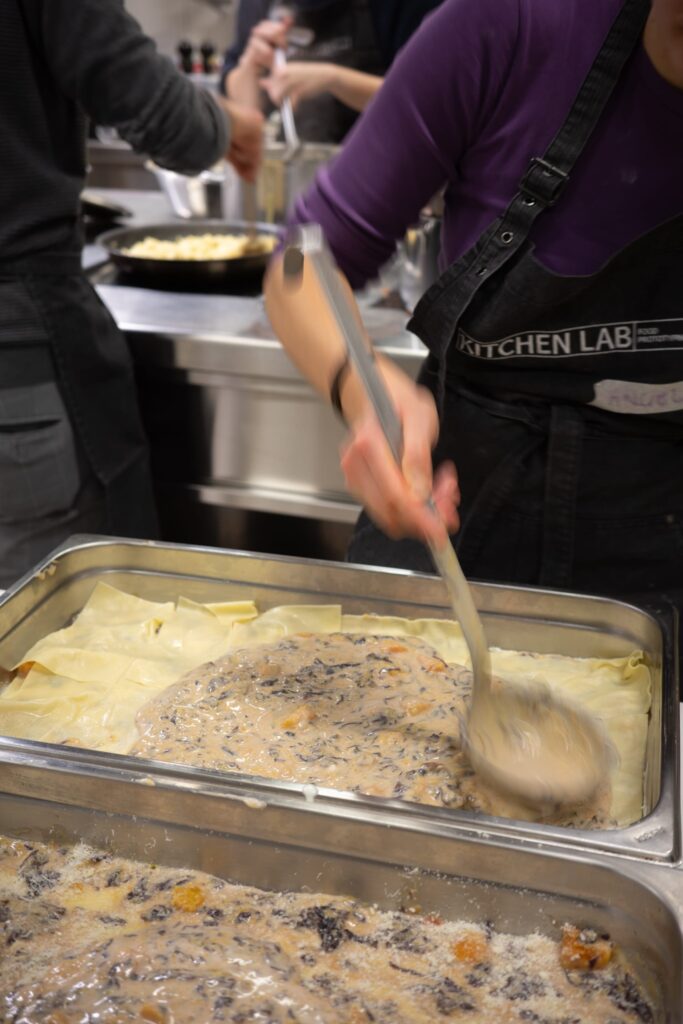
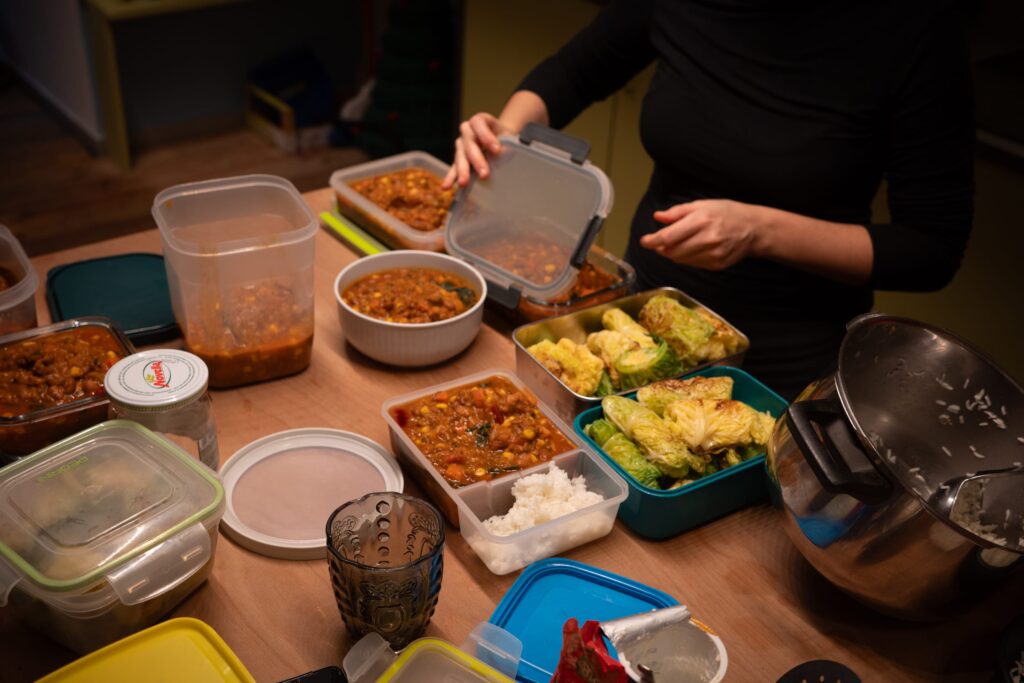
    This project was developed as part of my master thesis together with my fellow students Angela Bonan and Chiara Belpassi in winter of 2025/26.
  • Über den Tellerrand

    Über den Tellerrand

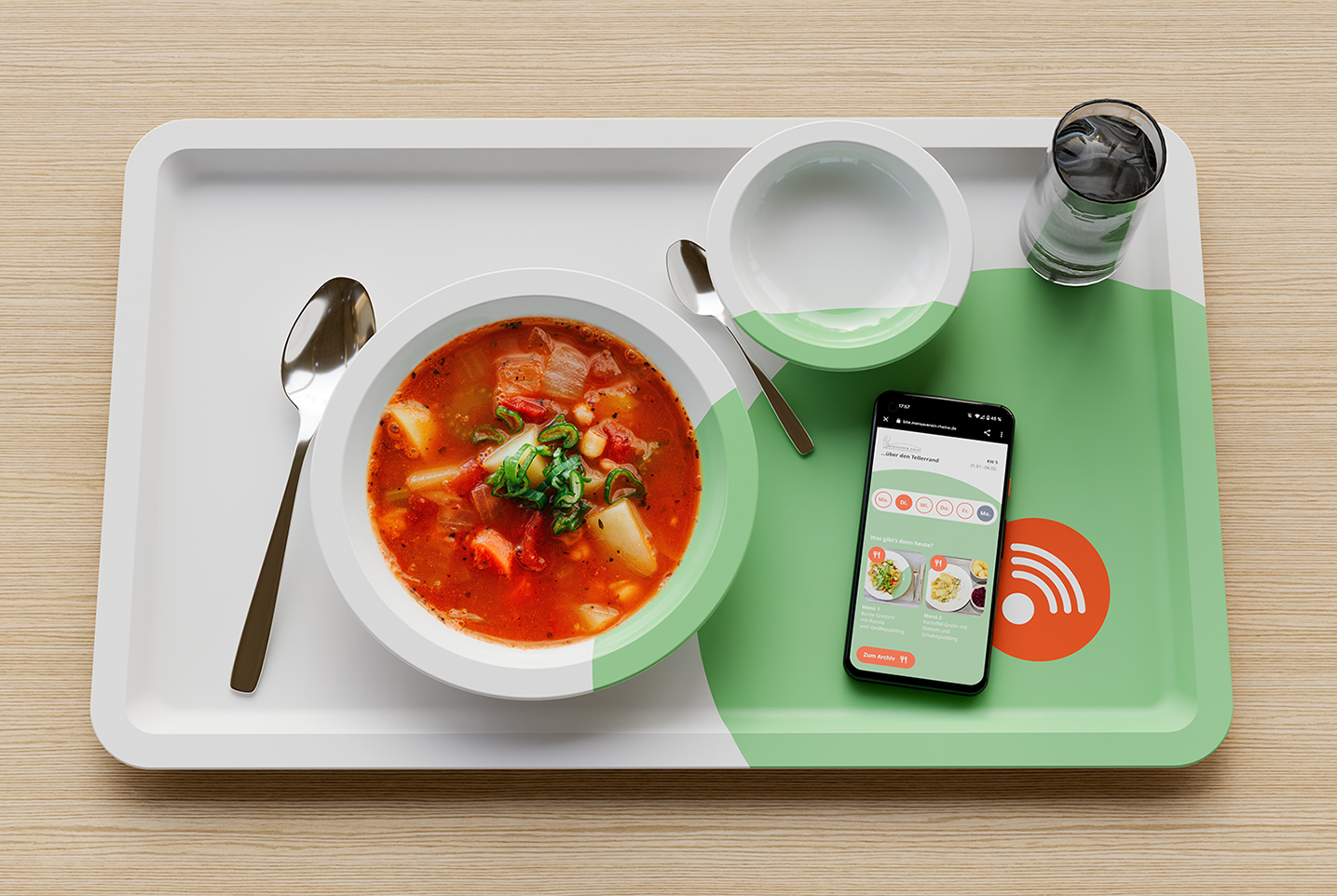
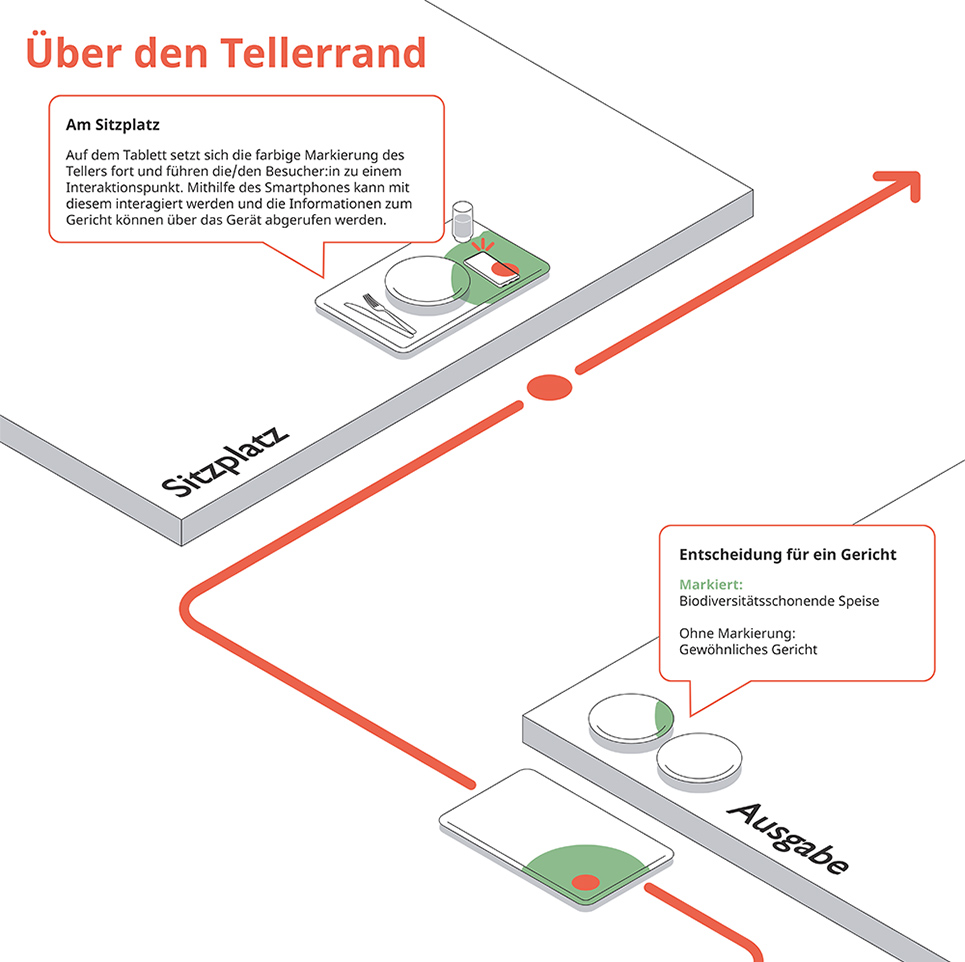
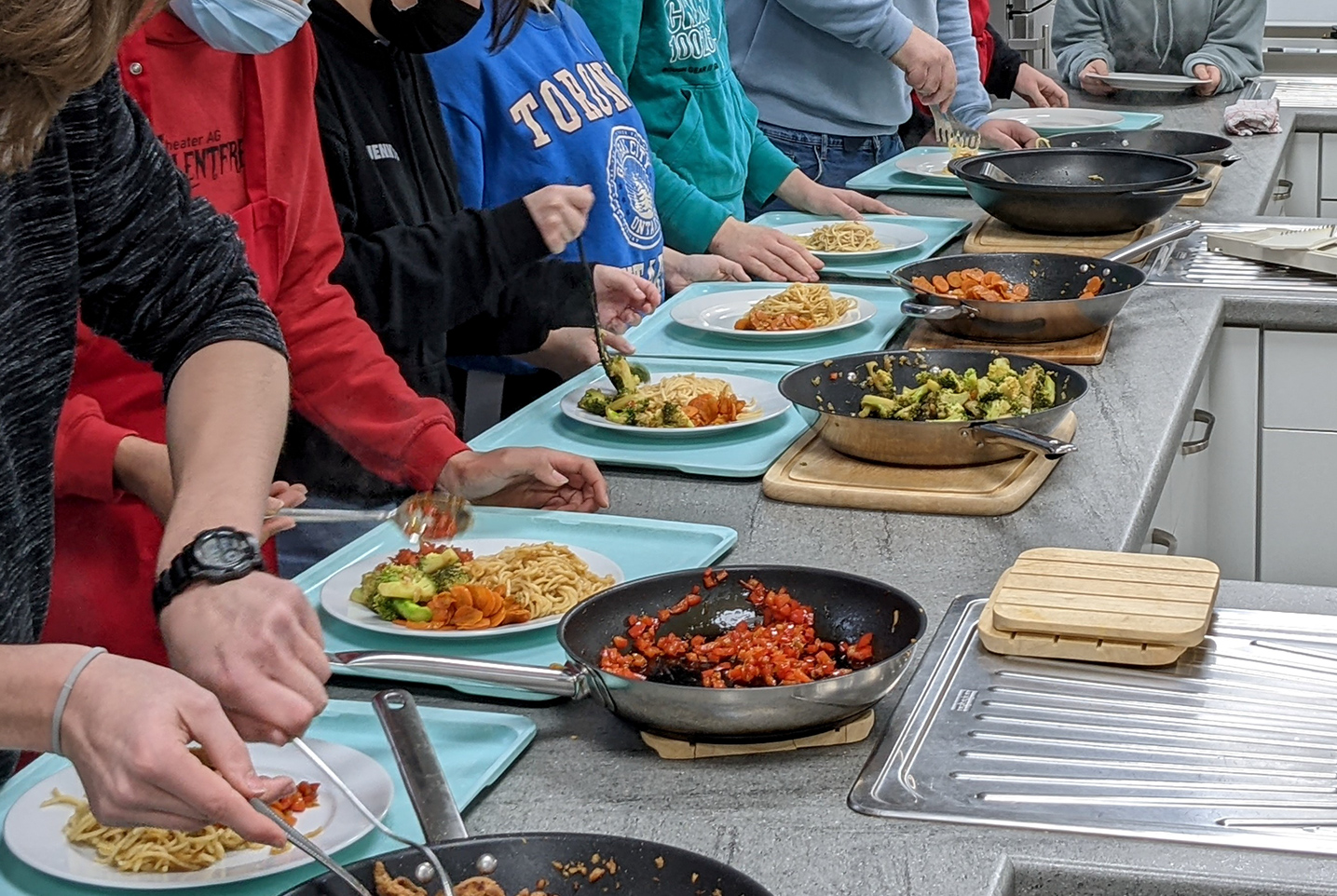
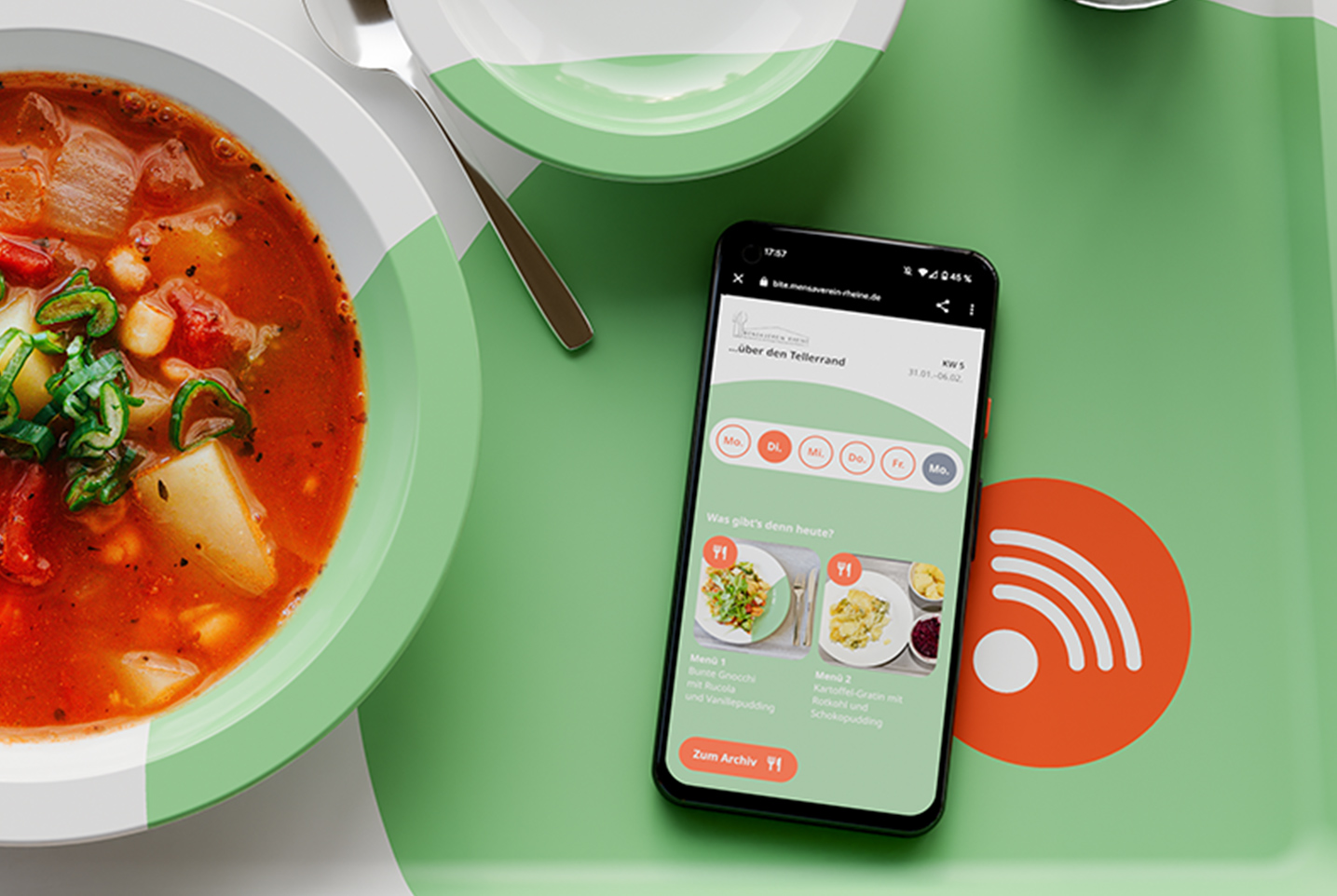
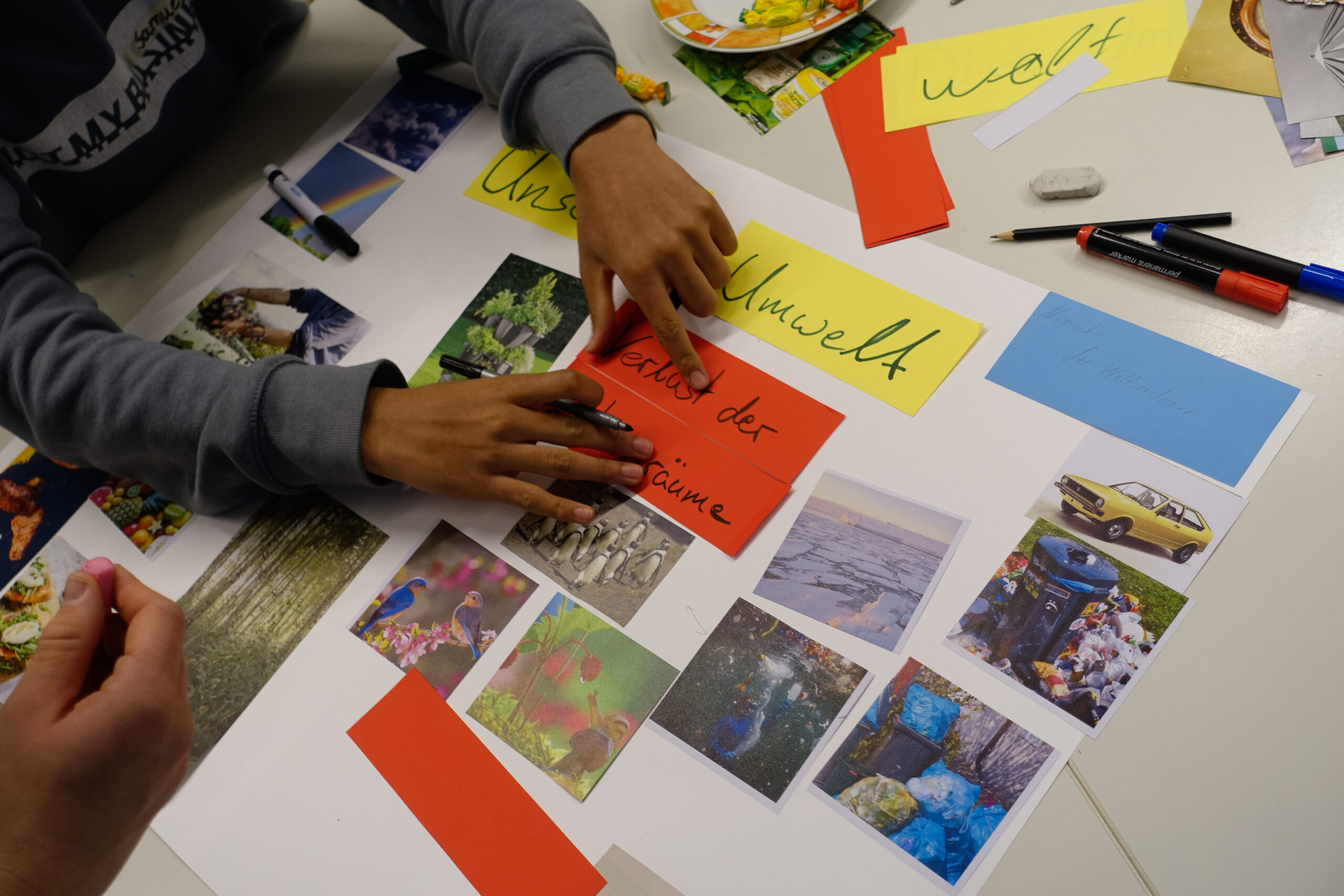
    We are destroying our environment with the industrial production of food. Our impact on biodiversity is particularly damaging, but the extent of this is non-transparent and difficult to measure. Changing our diet is one way to reduce our personal impact. A school canteen can be a place of experience for this future diet. The project “Über den Tellerrand” (Beyond the plate) aims to provide orientation for students and to contribute to the development of a biodiversity-friendly conscience by offering guided access to information related to the meal. The bachelor thesis was developed in cooperation with the research project “BiTe” (“Biodiversität über den Tellerrand”).

    Project presented on the faculty’s website:

  • grüner fleck

    grüner fleck

    Access to nature and diverse green spaces is very limited, especially in urban areas. Many therefore dedicate themselves to an allotment garden in order to relax in the green but also to pursue their own personal projects. Allotment gardens are often closed communities in which knowledge about nature and harvesting grows – yet many garden owners are interested in sharing their knowledge and opening up to the outside world.

    The digital space “grüner fleck” wants to use the potential of allotment gardens as places of recreation in the green environment to encourage community and exchange within it and outwards. Owners of allotment gardens are to be inspired by this platform to make their own gardens accessible to others. They open themselves to the opportunity to gain gardening support or to offer events such as lectures and workshops or even concerts. Visitors can use their access to discover something new and inspiring while experiencing local green spaces.

    The project was developed in an intensive co-design process with Daniel, an allotment garden owner. During the first meeting it became clear how much Daniel appreciates sharing knowledge and socialising with others. At the same time it became clear how much he values the peace and relaxation he can experience in his own garden.

    In the course of the project it became apparent that Daniel needs both: On the one hand the private space and on the other hand the public sphere and the interaction with other allotment gardeners or visitors.

    Daniel’s ideas and needs transformed into the platform “grüner fleck”, which was built according to his needs. The core of the concept was the knowledge that was gathered with the co-designer and his family. Presenting the idea to other garden owners it became clear that Daniel was not alone with his needs and that other allotment gardeners were also looking for exchange and to benefit from a tighter knight and also open community.

    Developed together with Laïsa Cordes as part of a course with Professor Carolin Schreiber.

    Münster 2021